Commercial Waste Removal in Lee

Commercial waste removal in Lee should be straightforward, organised and suitable for the way your business actually works. We provide collection-focused waste services for workplaces, shops, hospitality premises, trade units and other commercial sites that need regular or one-off clearance of non-hazardous materials. The aim is simple: keep waste moving away from your premises without creating avoidable disruption to staff, visitors or day-to-day operations.
Our service is designed around commercial collections rather than a one-size-fits-all approach. That means we can deal with mixed office rubbish, packaging, redundant fixtures, shopfloor clear-outs and similar business waste streams in a practical way. Where a load contains items that need special handling, we separate that from general waste so the right disposal route is used. If you are reviewing your options, start with the type of waste you have and the access available, then request a quotation once the scope is clear.
For a helpful first step, choose the service page that best matches your site or item type. If you are arranging waste from a workplace, business waste removal gives a useful overview of the commercial collections we handle, while office clearance is more suited to desks, chairs, filing and general workplace contents. For enquiries about pricing and scope, pricing and quotes is the best place to begin.
Commercial waste collections for working premises
Commercial waste from busy premises often builds up in layers: packaging, broken fittings, end-of-line stock, obsolete paperwork and items left over after a refit or relocation. We can remove these materials in a way that keeps the load manageable and the site clear. The practical advantage is that you can deal with a backlog without needing to sort every item into separate journeys. That is especially useful for premises that need a tidy turnaround between trading periods, deliveries or contractor visits.
Different premises produce different waste profiles, so the collection method should match the setting. A small office might need a compact clear-out of furniture and paper-based rubbish, while a retail unit may need display pieces, shelving, packaging and general refuse removed together. Warehouses and storage rooms can involve bulkier mixed items, so access, lifting points and the final waste mix all matter. We can talk through the likely load before the collection is arranged.
When you are ready to move from planning to booking, keep your notes brief but useful. List the main item types, mention any access limitations, and say whether the work is a one-off clearance or part of a recurring pattern. If you prefer to read more about what can be handled as a load, the page on what can go in a skip offers a relevant guide to common waste categories, even when you are arranging collection rather than skip hire.
Office, retail and workplace clearance

Office and workplace clearance usually involves a mix of furniture, paperwork, shelving, screens and general end-of-use contents. We remove items that are no longer needed so the space can be handed back, reconfigured or tidied for continued use. The work may be full or partial: you might need an entire floor cleared, or only selected rooms and storage areas dealt with. Either way, the objective is to keep the process controlled and easy to plan around normal business hours where possible.
Retail and customer-facing premises often need a slightly different approach because fixtures, display units and stockroom waste can all be involved. We can clear redundant counters, back-of-house clutter, packaging and broken fittings, making sure the collection reflects the actual contents rather than forcing everything into a single category. For some clients, the main value is speed of removal; for others, it is the ability to deal with several related waste types in one organised visit.
Where paperwork or confidential material is part of the load, it is sensible to separate that issue from ordinary rubbish. The service at confidential shredding is relevant if you need a more careful route for records, while general office furniture and contents remain part of the wider clearance. If your enquiry is about wider waste handling across a business site, you can also return to business waste removal for the broader commercial service description.
Bulky items, fixtures and commercial fittings
Many business clearances involve items that are too awkward for normal refuse channels: reception seating, desks, storage units, counters, display furniture or large appliances. We handle these as bulky removals when they form part of a commercial clearance, with the focus on dismantling, lifting and moving them safely from the premises. The key is to identify which pieces are fixed, which are freestanding and which can be removed as they stand.
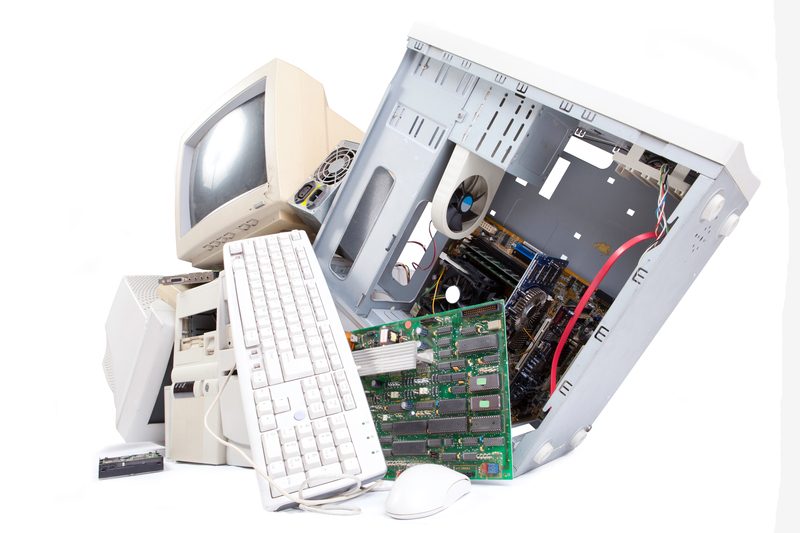
It is also common for commercial sites to have a mixture of recyclable material and general waste in the same area. A back office may contain office chairs, cardboard, old IT peripherals and broken storage at the same time. In that setting, careful sorting on site can make the collection more efficient and reduce unnecessary handling. If there are items such as appliances or furniture that need more specific disposal, the relevant dedicated pages can help you understand the category before you ask for a quote.
For example, the page on furniture clearance is useful when seating, desks or cabinets are the main issue, while fridge and appliance removal is more relevant for kitchens, staff rooms and premises with redundant white goods. When the load includes larger domestic-style furniture from a business premises, furniture disposal can also help you narrow the service you need.
Planning a commercial collection
Good planning keeps a collection efficient and avoids confusion on the day. It helps to know which rooms or areas are involved, whether items are upstairs or behind restricted access, and whether anything needs to be dismantled before removal. Photographs can be useful when you are asking for a quotation, especially if the waste is spread across several rooms or includes mixed materials, but they are only one part of the picture. Clear notes about access and item types are often just as helpful.
A sensible approach is to separate must-go items from items that may stay. This is particularly important during office moves, unit closures and refits, where some materials are being reused and others are being discarded. If you are not sure how much can be included in a single collection, a short description of the load is usually enough to begin the conversation. From there, the quotation can reflect the practical work involved rather than relying on a vague estimate.
If your business is comparing options, the relevant price information is gathered on pricing and quotes, and an online booking route is available through book online. Two useful preparation points are to note any parking or loading restrictions and to say whether the waste is already bagged, boxed or left loose. Those details help a quotation reflect the likely handling time and collection method.
Special waste types and careful handling

Some commercial waste streams need more attention than ordinary mixed rubbish. Items that are damaged, contaminated or regulated should be separated from standard office or retail waste so they are dealt with correctly. That can apply to broken fittings, site clear-up material after works, or heavier items that cannot simply be treated as everyday rubbish. The right route depends on the material, not just the size of the load.
Our service information includes pages for several specific categories that may be useful when your business has a more defined waste type. builders waste clearance is relevant where renovation or refurbishment debris has been left behind, while hazardous waste disposal is the page to check if the material requires more cautious handling than standard refuse. Not every commercial clear-out needs those routes, but they become important when the contents move beyond ordinary office or shop waste.
For businesses with a mix of general and specialist materials, it is better to describe the whole load in plain terms than to try to categorise everything yourself. That keeps the quotation process accurate and avoids assuming a disposal method that may not suit the material. Where appliance-heavy clearances are involved, the relevant page for fridge and appliance removal can help distinguish household-style electrical items from broader commercial rubbish.
Clearances for storage rooms, lofts and hard-to-reach spaces
Commercial sites are not always neat, open-plan spaces. Stockrooms, upper levels, cellars and loft-like storage areas can all accumulate items that are awkward to remove in stages. We can help with the clearance of these areas when they form part of your business waste removal requirements, provided the access is suitable and the waste type is within the service scope. That makes it easier to recover storage space without trying to move everything through a normal refuse route.
Some collections are less about regular rubbish and more about a one-time clearance after a period of accumulation. The work may include a few heavy items, boxed materials, broken equipment and miscellaneous waste from shelves or corners that are easy to ignore until the space becomes unusable. In these situations, a clear description of the room, floor or storage area helps us plan the removal and identify whether any dismantling is likely to be involved.
The related pages on garage clearance and loft clearance can be helpful if your business premises include storage areas that are functioning in a similar way, while flat clearance or house clearance may be useful only where a property-style clearance is actually needed. For a more general commercial enquiry, describe the space, the access and the waste mix so the quotation matches the work.
About Lee
Lee is an area in southeast London, within the Royal Borough of Greenwich, and it sits close to several well-known green spaces and transport corridors that have shaped its development. The River Quaggy runs nearby, and the locality is linked with the wider Lewisham and Greenwich districts through roads, rail services and a pattern of residential streets that grew with suburban expansion. Lee has long been associated with a settled, local character rather than a dense commercial core, which is reflected in its mix of homes, neighbourhood facilities and smaller shopping parades. The area’s built form includes Victorian and later suburban housing, together with streets that reflect the gradual spread of London east and south over time. Nearby Manor House Gardens, a notable public park, adds an important open-space element to the local landscape, while Lee Green remains a familiar focal point for movement and everyday activity. The place name itself is longstanding, and the wider district has layers of history visible in older buildings, street patterns and local landmarks. Its position between several parts of southeast London means it has a distinctly connected feel, with local routes linking into broader borough life rather than separating it from it. For many visitors and residents, Lee is understood through those everyday details: green space, residential streets, local centres and the relationship between the area and the surrounding parts of Greenwich and Lewisham.
Choosing the right commercial waste route
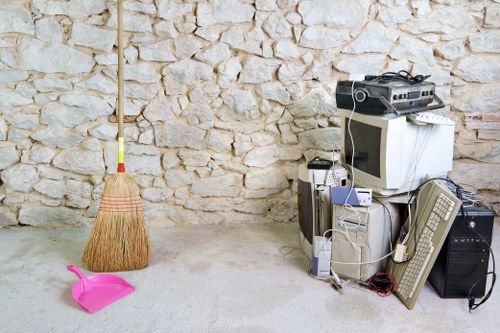
Choosing the right service is often easier when you separate a site into categories: office contents, retail fittings, appliance waste, general rubbish and anything unusual that may need special handling. That way, the quotation conversation stays focused on the actual task instead of trying to treat every clearance as identical. If the material is mostly furniture, one route may be enough; if it includes a mixture of fittings, packaging and storage waste, a broader collection may be more suitable.
Businesses also benefit from thinking about timing. A collection arranged around opening hours, delivery slots or a move-out deadline can reduce interruption to staff and customers. The best plan is usually the one that balances access, waste volume and the need to keep the premises usable until the work is done. For recurring waste, you may prefer a regular commercial collection approach; for a one-off clear-out, the priority is usually simply to empty the space cleanly and responsibly.
For linked information, the pages on waste removal and business waste removal provide the broadest overview of the service, while office clearance and furniture clearance help narrow the scope when the load is more specific. If your job involves items from a refurbishment or strip-out, the page on builders waste clearance is a useful reference before you request a quote.
Service options and customer decisions
There are several ways to frame a commercial waste job, and the right one depends on what is being removed. A single-room clearance, a stockroom clean-out and a full premises clearance are all different tasks, even if they share some item types. The important thing is to describe the service in terms of what must leave the site, how much access is available and whether anything needs to be separated before collection. That gives a far better basis for an informed quotation.
Typical decision points include whether the waste is mainly loose or packed, whether there are bulky items that need dismantling, and whether the clearance is part of another project such as relocation or refit work. If you are dealing with electronics, confidential material or mixed rubbish, those details should be mentioned early so the service can be matched correctly. Keeping the description accurate does more for the quotation than trying to use broad labels that hide the real work involved.
When you want to compare related services, the pages for home clearance and house clearance may be useful only if a property-style clear-out is genuinely involved, while garage clearance and loft clearance help when the storage area behaves like a cluttered utility space. For a business premises, however, the commercial pages remain the most relevant starting point. If you are ready, request a quotation now.
Responsible disposal and final quotation

Responsible disposal matters because commercial waste can include recyclable material, reusable items and general rubbish in the same load. Sorting is not just an environmental consideration; it also affects how the collection is handled and what can be separated before disposal. We aim to direct the waste through the appropriate route for its type, keeping the process practical for the customer and consistent with the contents of the job. That is why an accurate description of the load is worth providing at the outset.
If you are preparing an enquiry, keep it simple: tell us what needs removing, how much of it there is, where it is located and whether there are any access issues. A few clear points are usually enough to begin the quotation process. If the job includes appliances, fittings, furniture or other distinct item groups, mentioning them separately helps the response reflect the actual removal work rather than a general guess. For the clearest result, be specific about the space and the items.
To take the next step, review the relevant service page and send through a concise description of the waste you want removed. If your enquiry is mainly about overall business collections, return to business waste removal; if it is about pricing, use pricing and quotes; and if you are ready to arrange the work, use book online. Request a quotation today.