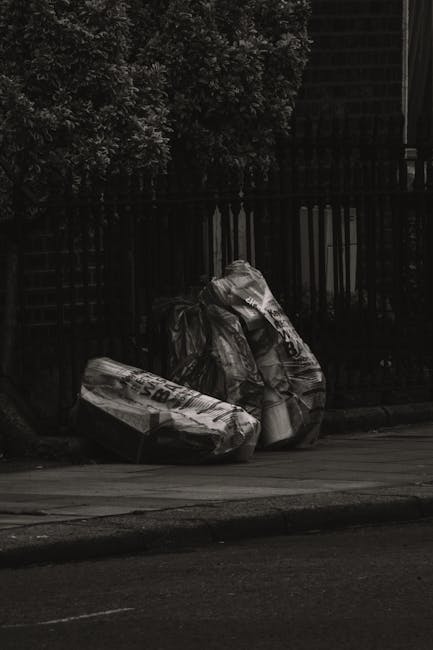
Commercial rubbish removal for Lee shops offices and pubs
If you run a shop, office or pub in Lee, rubbish has a way of building up quietly and then all at once. One day it is a few cardboard boxes and some broken display stock; the next, the back room is packed, the staff area feels cramped, and the bin day timing starts to matter more than it should. Commercial rubbish removal for Lee shops offices and pubs is really about keeping that pressure under control without disrupting business, customers or staff.
Done well, it is not just a waste collection. It is part of how a premises stays safe, presentable and workable. It helps you protect your reputation at the front door, keep walkways clear behind the scenes, and avoid the awkward scramble of trying to move bulky rubbish when you already have a full day ahead. In practice, that might mean clearing old stock, fitting out an office, removing pub packaging after a busy weekend, or taking away mixed commercial waste that regular bins simply cannot handle.
This guide explains how the process works, what to expect, where businesses often get caught out, and how to choose the right approach for your premises. It also covers a few practical details that people often miss until the last minute. And yes, the last minute is usually the worst moment to be dealing with a mountain of waste.
Table of Contents
- Why Commercial rubbish removal for Lee shops offices and pubs Matters
- How Commercial rubbish removal for Lee shops offices and pubs Works
- Key Benefits and Practical Advantages
- Who This Is For and When It Makes Sense
- Step-by-Step Guidance
- Expert Tips for Better Results
- Common Mistakes to Avoid
- Tools, Resources and Recommendations
- Law, Compliance, Standards, or Best Practice
- Options, Methods, or Comparison Table
- Case Study or Real-World Example
- Practical Checklist
- Conclusion
- Frequently Asked Questions
Why Commercial rubbish removal for Lee shops offices and pubs Matters
Every type of business generates waste differently. A shop in Lee might produce packaging, damaged stock, racking, and the odd bulky item. An office tends to create paper waste, old furniture, IT clutter and confidential materials that need careful handling. A pub is a different beast altogether: glass, cans, barrel-related waste, broken fixtures, kitchen waste, furniture wear-and-tear, and the kind of post-service mess that appears after a very lively Friday night.
The common thread is simple. Waste takes up room, and room matters. It matters for safe movement, for customer presentation, for hygiene, and for staff morale. If a storeroom starts becoming a dumping ground, people work around it. Then they keep working around it. Before long, what started as a tidy-up turns into a trip hazard, a fire load issue, or a very awkward corner no one wants to touch.
That is especially relevant for local businesses with limited back-of-house space. Lee premises, like many busy London neighbourhood sites, often have compact storage, tight access, shared alleys or restricted loading areas. You do not always have the luxury of parking a skip outside for days on end, and you may not want to block customer access anyway. This is where a flexible commercial waste removal service can feel much less like an admin task and more like a pressure valve.
There is also a trust angle. Customers notice tidiness. Staff notice it too. A clean entrance, clear stockroom, and uncluttered staff area can make a business feel more orderly, even before anyone has bought a thing or ordered a pint. Truth be told, people read a lot into a neat floor and an empty corner.
How Commercial rubbish removal for Lee shops offices and pubs Works
The process is usually more straightforward than people expect. In most cases, it starts with a brief assessment of what needs removing, how much there is, and whether anything requires special handling. That might be a single bulky sofa from a pub lounge, a stack of office chairs from a refurbishment, or mixed shop waste after a clear-out. The clearer the description, the smoother the job.
A good waste removal plan normally considers four things:
- Volume - how much rubbish is there, and is it a one-off load or an ongoing issue?
- Type - is it general commercial waste, bulky furniture, appliances, mixed materials, or something sensitive?
- Access - can items be carried out easily, or are there stairs, narrow corridors, time restrictions, or awkward loading points?
- Timing - do you need it removed before opening, after closing, or during a quiet window?
For many premises, timing is half the battle. Offices often want early morning or end-of-day removal. Shops might need clearance before stock delivery arrives. Pubs often prefer quieter periods, when staff can step aside without interrupting service. A small detail, but it saves a lot of faff.
Once agreed, the removal team typically collects the waste, loads it safely, and takes it for sorting and disposal. Depending on the materials involved, some items may be separated for recycling, and certain waste streams may need to be handled under specific rules. If you are dealing with appliances, confidential paperwork, or potentially hazardous materials, those should be identified upfront rather than left to chance.
For businesses wanting a broader service alongside a specific clear-out, business waste removal is a sensible place to look at the general approach, while office clearance can be useful when desks, chairs or filing cabinets are the bigger issue. If the waste is mostly worn-out shop fittings or broken furniture, furniture disposal and furniture clearance may be more relevant.
Key Benefits and Practical Advantages
The biggest benefit is simple: less clutter, more usable space. But the real value goes beyond that. Here is what businesses usually gain when commercial rubbish is handled properly.
- Better day-to-day operations - staff can move freely, stock can be stored properly, and cleaning becomes quicker.
- Improved presentation - customers see a tidy, cared-for premises rather than a back-room spillover.
- Reduced safety risks - fewer obstructions, less chance of accidental damage, and cleaner access routes.
- Less management time - one organised removal is usually easier than juggling bins, vans and favours from staff.
- More responsible disposal - waste can be separated, recycled and handled in line with best practice.
For pubs in particular, there is a real difference between "we'll get to that later" and "that has been taken away already". The first version tends to end in a cramped back area and annoyed staff. The second version is calmer, cleaner, and oddly energising. You notice it at closing time, especially when the last trays are stacked and the floor is clear.
There is also a commercial angle that is easy to overlook. Clearing waste promptly can help you keep on top of refurbishments, seasonal stock changes and compliance checks. A shop changing displays for a new promotion, for example, can move through the process faster if old fixtures and packaging are removed without delay.
Who This Is For and When It Makes Sense
This service is for any business that produces rubbish larger, heavier or messier than a normal commercial bin setup can handle. The most obvious examples are independent shops, offices, and pubs, but the list is broader than that.
- Retail shops clearing packaging, damaged stock, signage, shelving or end-of-line items.
- Offices removing desks, chairs, monitors, filing cabinets, old IT equipment and archive clutter.
- Pubs and hospitality venues dealing with worn furniture, kitchen items, bar back clutter, display materials and refurb waste.
- Small chains needing repeat clearances across more than one site, often on a tight schedule.
- Landlords and managing agents who need commercial units cleared between tenancies or after fit-out work.
It makes sense when waste is affecting operations, when staff are spending too much time moving rubbish around, or when you have a deadline hanging over you. That could be a health and safety review, a planned refurb, a lease handover, or just a "we really need this sorted before Monday" moment. We all know those moments.
Some businesses also use waste removal as a reset. A stockroom that has slowly become a catch-all can be cleared in a single visit, and suddenly you can see the shelves again. Not glamorous, maybe, but deeply satisfying.
Step-by-Step Guidance
If you want commercial rubbish removal to run smoothly, it helps to treat it like a small project rather than a last-minute errand. Here is a practical process that works well for most Lee premises.
- Identify everything that needs to go. Walk the area properly. Check corners, under counters, old storage spaces and behind doors. The hidden stuff is often what causes delays.
- Separate sensitive or special waste. Put confidential documents, sharp items, electricals, appliances and anything potentially hazardous into their own categories if possible.
- Estimate access and lifting conditions. Note stairs, narrow corridors, parking limits, and whether the collection has to happen before opening or after closing.
- Ask for a clear price and scope. Make sure the quote matches the actual load and the level of service you need. If you want loading included, say so.
- Prepare the site. Move staff items, unlock access points, and make sure the collection path is free. A minute spent here can save ten later.
- Confirm timing with the team. If you run a pub or shop, timings really matter. Double-check the window so nobody is trying to shift bins during a busy lunch rush.
- Keep records. For business and compliance reasons, keep notes on what was removed, when, and by whom. Simple enough, but handy if anything is queried later.
If you are unsure what can legally or practically be included, it helps to review related guidance before collection day. The page on what can go in a skip is useful for understanding typical waste categories, while waste removal gives a broader view of how mixed loads are usually handled.
Expert Tips for Better Results
In our experience, the cleanest jobs are the ones where the business spends ten minutes preparing and avoids thirty minutes of confusion. That sounds obvious, but it is where many problems begin.
Tip 1: Label unusual items. If something needs special handling, mark it clearly. A box that contains confidential papers should not be mistaken for general paper recycling, and a faulty appliance should not be left hiding behind chairs.
Tip 2: Don't mix everything together. It is tempting to throw all the clutter into one pile and call it a day. It feels efficient at the time. Later, not so much. Segregating waste improves recycling and reduces mistakes.
Tip 3: Choose collection timing with your customers in mind. A shop can often manage early morning. A pub might be better after close. An office may prefer a quiet mid-week slot. Small timing choices make the whole thing feel less disruptive.
Tip 4: Think about future waste, not just today's pile. If the same type of clutter keeps appearing, there may be a storage or process issue behind it. A better layout or routine can reduce waste build-up from the start.
Tip 5: Keep an eye on bulky items. Large furniture, fridges, display counters and old appliances often need more planning than bags of rubbish. For those, services like fridge and appliance removal can be more appropriate than a general clearance.
One slightly unglamorous truth: waste removal is often easier when someone has acted as the "annoying but useful" person who asks the awkward questions. Where does this go? Who is keeping that paperwork? Is that item electrical? Boring questions. Very effective questions.
Common Mistakes to Avoid
Most waste problems are not dramatic. They are small mistakes that pile up. That is the annoying part. Here are the ones that come up most often.
- Leaving the job until the business is already under pressure. Once staff are working around the mess, planning gets harder.
- Assuming everything can go in one load. Some items need separate handling, especially electricals, confidential waste, and hazardous materials.
- Forgetting access restrictions. A van may not be able to stop right at the door. A narrow stairwell can change the time and effort involved quite a lot.
- Not checking disposal expectations. If you want recycling, reuse or separate treatment, mention it in advance.
- Skipping a final room-by-room check. The last thing anyone wants is discovering an extra pile behind a shutter after the team has gone.
Another common issue is underestimating how much clutter hides in office cupboards or pub store rooms. You think it is one small collection. Then the cupboard door opens and there it is: old printers, tangled cables, broken chairs, two mystery boxes and a kettle no one admits owning. Classic.
Tools, Resources and Recommendations
You do not need a huge toolkit to manage commercial rubbish well, but a few simple resources can make the process far smoother.
- Basic inventory list - note what is being removed, especially if you are clearing multiple rooms.
- Sorting labels or marker pens - helpful for separating general waste, recycling, documents, electricals and breakables.
- Measuring tape - useful for bulky furniture, access points and items that need to be dismantled.
- Secure bags or boxes - good for papers, glass, sharp items and small loose waste.
- Photo record - a quick set of images before collection can prevent misunderstandings about volume or access.
For businesses that handle paperwork or customer data, confidential shredding is worth considering alongside the main clearance. For mixed office and furniture projects, office clearance can keep the whole thing under one roof, so to speak.
If sustainability matters to your business, it is also worth looking at how collected waste is sorted and where reusable materials can be diverted. The page on recycling and sustainability is useful for understanding a more responsible approach. Not every item can be reused, of course, but it is worth trying where practical.
Law, Compliance, Standards, or Best Practice
Commercial waste needs a little more care than domestic rubbish. In the UK, businesses are generally expected to store, transfer and dispose of waste responsibly, and to avoid placing restricted or hazardous items in with general rubbish. That does not mean every business owner needs to become a waste specialist. It does mean you should know enough to avoid obvious mistakes.
Best practice usually includes:
- using a reputable waste carrier or clearance provider
- keeping records of what was removed and when
- separating hazardous items from general waste
- protecting confidential materials before disposal
- choosing recycling routes where possible
If a business deals with sharp objects, chemicals, fridges, or anything that may count as hazardous waste, it should be flagged early. The same goes for items that might need specialist handling. A service such as hazardous waste disposal exists for a reason, and it is better to use the right channel than to improvise.
Insurance and safety are also worth thinking about. Lifting heavy items through tight spaces, navigating stairs, and working around staff or customers all carry risk. A clear process, proper equipment and suitable public liability cover are sensible expectations. You will notice the difference immediately when a team works calmly and knows what it is doing.
For business owners who need reassurance on operational standards, health and safety policy information and insurance and safety details help build trust before the first item is moved.
Options, Methods, or Comparison Table
There is more than one way to deal with commercial rubbish, and the right choice depends on access, volume, timing and what the waste actually is. Here is a straightforward comparison.
| Method | Best for | Pros | Things to watch |
|---|---|---|---|
| Commercial rubbish removal | Mixed waste, bulky items, one-off clearances | Fast, flexible, less disruption | Needs clear item list and access details |
| Skip hire | Ongoing works, predictable waste, on-site loading | Good for repeated filling, convenient if space allows | Needs space, permits may apply, loading is your responsibility |
| Specialist item removal | Appliances, furniture, confidential waste, hazardous items | Safer handling, more appropriate disposal route | Must match the item type carefully |
| Internal staff clearance | Very small amounts of light waste | Can be quick for tiny jobs | Costs staff time, can become inefficient fast |
If you are still deciding between options, it may help to compare the likely time burden as well as the price. A cheaper route is not always the cheaper route if it keeps staff busy for half a day. That is one of those small business realities nobody puts on a poster.
For people weighing up whether a skip or a clearance is the better fit, what can go in a skip is a useful reference point. If your waste is mostly furniture, then mattress and sofa disposal may also be relevant for bulky seating or soft furnishings.
Case Study or Real-World Example
A Lee cafe-pub hybrid, let's say a small venue with daytime coffee trade and evening drinks, had been storing broken chairs, old promotional boards, cardboard, and a handful of small appliances in a back room that was slowly becoming unusable. Nothing dramatic. Just a constant low-level mess that staff worked around for months.
The problem became obvious when the venue planned a mini refurbishment. Suddenly the clutter mattered. Deliveries were due, the decorating team needed access, and the owners wanted the place presentable before the weekend rush. The real issue was not the rubbish itself. It was the way the rubbish had quietly shrunk the usable footprint of the business.
The solution was to split the job into categories: furniture, mixed waste, and a few items requiring separate handling. The team also checked access, made a quick list of what was staying, and removed the items after service ended. The back room looked larger immediately. Cooler too, somehow. Less stale. The staff could move properly again, which sounds minor until you live with the problem every day.
That is the pattern with most commercial clearances. It is not just about emptying a room. It is about restoring a working environment. A tidier space makes everything feel easier, even if nobody says it out loud.
Practical Checklist
Use this quick checklist before booking commercial waste removal for your Lee premises.
- List every item or waste type that needs removing.
- Separate confidential, hazardous, electrical and bulky items.
- Check access routes, parking, stairs and opening hours.
- Decide whether the job needs to happen before, during or after trading.
- Confirm whether you want recycling or reuse prioritised where possible.
- Remove anything that should stay on site before the collection day.
- Take photos if the space is awkward or the waste volume is hard to judge.
- Keep a record of what was cleared.
- Review whether the same waste problem keeps returning.
- Make sure staff know who is point of contact on the day.
Small checklist, big difference. Honestly, the more organised the prep, the less the day feels like a scramble.
Conclusion
Commercial rubbish removal for Lee shops offices and pubs is not just a way to get rid of unwanted items. It is a practical service that helps businesses stay organised, safe and presentable while avoiding unnecessary stress. Whether you are clearing a back room, tidying an office, or making space in a pub after a busy run of trading, the value is in speed, clarity and proper handling.
The best results usually come from a simple formula: identify what needs to go, separate what needs special care, choose the right time, and use a service that understands commercial pressures. That is the difference between a rushed clear-out and a tidy, controlled job that actually helps the business move forward.
If you are planning a one-off clearance or you need regular support with mixed commercial waste, it makes sense to compare your options early and choose the most practical route for your premises. A little planning now saves a lot of awkward lifting later. And that, as any busy owner will tell you, is worth doing properly.
Get a free quote today and see how much you can save.
When the clutter goes, the space feels lighter. Sometimes that is all a business needs to breathe again.
Frequently Asked Questions
What counts as commercial rubbish in shops, offices and pubs?
Commercial rubbish usually includes any waste produced by a business rather than a household. That can mean packaging, broken furniture, stock waste, office equipment, old fixtures, and general mixed rubbish from day-to-day trading.
Can commercial rubbish removal handle bulky items?
Yes, bulky items are very often part of the job. Chairs, desks, shelving, counters, fridges and worn-out furniture are all common examples, although some items may need specific handling depending on what they are made of.
How is office waste different from pub waste?
Office waste often includes paper, furniture, IT equipment and confidential material. Pub waste tends to involve more mixed materials, furniture, glass, kitchen-related items and waste generated by customer service areas. The access and timing needs can also be quite different.
Do I need to sort the rubbish before collection?
You do not always need to sort everything perfectly, but separating hazardous, confidential and electrical items is a smart move. The clearer the load, the easier it is to remove and dispose of responsibly.
Is commercial rubbish removal better than skip hire?
It depends on your site and waste type. Commercial removal is often better when access is tight, the waste is bulky, or you want less disruption. Skip hire can suit ongoing work if you have space and prefer to load waste yourself.
Can you remove confidential paperwork from an office?
Confidential paperwork should be handled separately and securely. Many businesses pair clearance with confidential shredding so sensitive documents are dealt with properly rather than mixed into general waste.
What should pubs do with broken furniture or appliances?
Broken furniture and appliances should be identified in advance so they can be removed safely and disposed of through the correct route. Fridges, for example, usually need specialist attention rather than general rubbish handling.
How much planning does a commercial clearance need?
Usually less than people think, but a little preparation helps a lot. A quick inventory, access check and timing plan can prevent delays and avoid mistakes on the day.
Are there compliance issues to think about?
Yes. Businesses should make sure waste is handled responsibly, keep records where appropriate, and separate any hazardous or sensitive materials. Good practice matters here, even for relatively small clearances.
Can commercial rubbish removal help during a refurbishment?
Absolutely. Refurbishment generates bulky waste fast, especially in shops, offices and pubs. A timely clearance can keep the project moving and stop the site from becoming cluttered or unsafe.
What if I have a mix of general waste and old furniture?
That is very normal. Mixed loads are common in commercial clear-outs, although furniture, appliances and special waste may need to be identified separately so the collection runs smoothly.
Why is local service important for Lee businesses?
Local knowledge helps with access, timing and practical logistics. In a busy area, knowing how to work around narrow routes, trading hours and limited loading space can make the whole process much easier.
For more about the company behind the service, you can also read the about us page, or review the pricing and quotes information if you are comparing options. If you are ready to arrange a collection, the book online page is the natural next step.