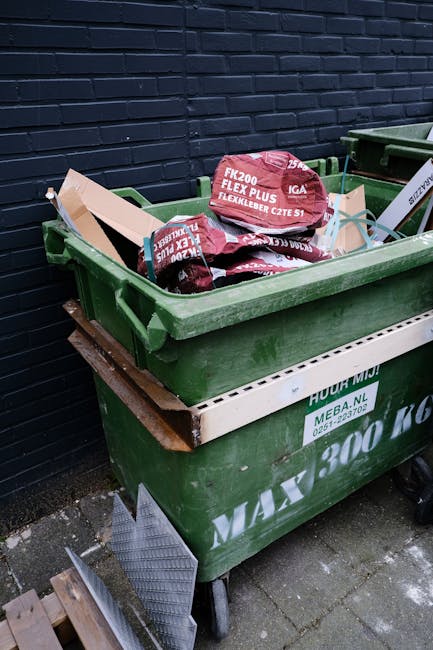
Lee High Road household rubbish collection guide and tips
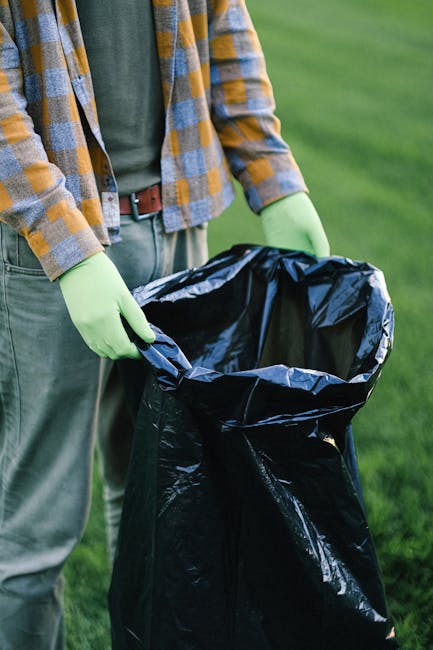
If you live on or near Lee High Road, you already know the rhythm of it: busy pavements, tight front steps, parked cars, and the constant juggle of getting everyday waste out without causing a nuisance. This Lee High Road household rubbish collection guide and tips article is here to make that easier. Whether you're clearing a few black bags after a weekend reset, getting rid of a broken table, or planning a bigger home clear-out, the aim is simple: help you handle household rubbish safely, efficiently, and with less stress.
In practice, rubbish collection works best when you know what can be separated, what needs special handling, and how to prepare items before they leave the property. That sounds basic, but honestly, it saves time, avoids missed collections, and keeps clutter from becoming one of those annoying jobs that sits in the corner for weeks. Let's get into the practical stuff.
Why Lee High Road household rubbish collection guide and tips Matters
Household rubbish sounds straightforward until you're the one trying to get rid of a mix of bin-bag waste, packaging, old appliances, and that one chair that has somehow lost the war with gravity. On Lee High Road, the challenge is often not the rubbish itself, but the logistics around it. Space can be limited. Access can be awkward. And if you leave waste out in the wrong way, it can quickly become a visual eyesore or a problem for neighbours, passers-by, and yourselves.
Good rubbish collection habits matter because they keep your home cleaner and your routine calmer. They also help you make better choices about what stays, what gets recycled, and what should go through a professional collection or disposal route. If you are already exploring broader clearance help, it may also be useful to look at home clearance support when the job goes beyond ordinary bin waste.
There is also a real safety angle. Heavy bags, awkward furniture, broken glass, and old appliances can all cause injuries if they are moved carelessly. A rushed lift down narrow stairs at the end of a long day is exactly the kind of thing that causes back strain. Been there, done that? Plenty of people have. Better to plan it properly.
How Lee High Road household rubbish collection guide and tips Works
At a basic level, household rubbish collection follows a simple sequence: identify the waste, separate the items, prepare them properly, and arrange the right collection method. The details vary depending on whether you are dealing with standard bagged rubbish, bulky items, electricals, garden waste, or mixed household clutter.
For many homes, the first step is sorting. Mixed waste tends to cause the most friction because not everything can go in the same pile without making the disposal harder or less efficient. A cardboard box full of packaging is different from a bag of general rubbish, and both are different again from a mattress, fridge, or damaged sofa. If your household waste includes larger items, specialist pages such as mattress and sofa disposal and fridge and appliance removal can be relevant depending on what you're getting rid of.
Then comes preparation. This is where many collections go more smoothly than expected. Break down cardboard. Tie bags securely. Empty liquids. Tape sharp edges. Remove personal items from drawers or storage units. If you are collecting items from a flat or upper floor, preparing everything at the door rather than in the hallway saves a surprising amount of time.
Finally, there is disposal method. Some waste can go with normal household collections if it fits the local rules and bin limits. Other waste is better handled through a private rubbish collection or a dedicated clearance service. That is especially true for bulky, heavy, or mixed loads. If you're unsure what belongs where, it helps to compare your situation with the guidance in what can go in a skip, even if you are not actually hiring a skip. It gives a useful frame of reference.
Key Benefits and Practical Advantages
There are a few very practical reasons to get household rubbish collection right on Lee High Road.
- Less clutter at home: Waste that leaves quickly does not linger in hallways, sheds, or kitchens.
- Better hygiene: Food packaging, old fabrics, and damp cardboard can attract smells or pests if left too long.
- Safer movement through the property: Fewer loose bags and boxes mean fewer trip hazards.
- Faster clear-outs: When items are sorted, the collection process is smoother and less disruptive.
- Better recycling outcomes: Separating recyclable materials often makes disposal more efficient and more responsible.
- Less stress on collection day: A tidy, labelled, and well-prepared load is much easier to manage.
There is also a subtle benefit people sometimes overlook: a clear home feels calmer. You notice it when the bins are gone and the last bag is out. The room sounds different. Less heavy. Less busy. It's a small thing, but it matters.
If sustainability is part of your decision-making, you may want to read more about recycling and sustainability to understand how responsible disposal fits into wider household waste habits.
Who This Is For and When It Makes Sense
This guide is useful for a wide range of people, and not just those doing a full house clear-out. In fact, some of the most common users are people with ordinary, everyday waste that has built up faster than expected.
You may find it especially useful if you are:
- moving house and trying to reduce the final load
- clearing out a spare room, under-stairs cupboard, or loft hatch area
- dealing with bulky items after replacing furniture
- sorting waste after a small home improvement project
- living in a flat where access and storage are tight
- helping an older relative reduce clutter safely
- simply tired of seeing bags stack up in the corner of a room
Sometimes the need is obvious. A broken wardrobe is not going to vanish on its own. Other times it is more gradual. One bag becomes three, then a box, then a slightly embarrassing collection of "I'll deal with that later." Truth be told, that's when a proper collection plan saves the most time.
If the task has grown beyond basic rubbish and into room-by-room clearing, house clearance or flat clearance may be more appropriate than trying to manage everything as loose household waste.
Step-by-Step Guidance
Here is a simple, practical way to handle household rubbish collection without overcomplicating it.
- Walk through the property first. Look in the kitchen, bathroom, hallway, bedrooms, loft spaces, garage, and garden. You will usually find waste hiding in more places than you expected.
- Group items by type. Put general rubbish, recyclables, bulky waste, electricals, textiles, and special items into separate piles. Even rough sorting helps.
- Check for anything sensitive or hazardous. Paint, chemicals, batteries, sharp objects, and damaged electricals need extra care. If in doubt, treat them separately.
- Break down what you can. Flatten boxes, remove detachable parts from furniture, and tape loose edges or sharp corners.
- Bag and label where useful. Clear bagging helps you see what is inside. Labels are handy if several people are helping.
- Make a clear loading route. Keep corridors and doorways open. That makes collection quicker and safer.
- Choose the right disposal route. Use the appropriate household collection method or arrange a specialist removal if the load is bulky or mixed.
- Do a final sweep. Check corners, behind doors, and under tables. Odd things always seem to appear in the last five minutes.
If you are dealing with a full-property sort-out rather than just a few bags, loft clearance or garage clearance can help with those awkward storage areas where waste tends to accumulate quietly.
Expert Tips for Better Results
A few practical habits make a noticeable difference. None are complicated. That's the good news.
- Keep one "sorted but not yet collected" area. A single staging point prevents waste from spreading through the house again.
- Use sturdy bags, not the thinnest ones you can find. Heavy rubbish punishes weak bags. It really does.
- Separate sharp and fragile items early. Broken glass, metal offcuts, and cracked plastics should not be mixed loosely with soft rubbish.
- Remove liquids and residues. Bottles, containers, and food packaging should be emptied before collection.
- Plan the timing. Morning collections are often easier because the property is quieter and you have more energy to deal with surprises.
- Measure bulky items before moving them. A sofa or cabinet that nearly fits is still a problem when you are halfway down the stairs.
- Think about reuse before disposal. If something is usable, consider whether it can be donated, repurposed, or passed on rather than thrown away.
One small but helpful habit: keep a roll of tape and a marker pen nearby while sorting. It sounds trivial. It isn't. Once you start, you'll use them constantly.
And if the load includes items that need special handling, it is better to address them properly rather than hope for the best. If those items include worn seating, take a look at furniture disposal for a more suitable route.
Common Mistakes to Avoid
The biggest mistakes are usually the simplest ones. That's the annoying part.
- Leaving everything mixed together: It slows collection and makes disposal less efficient.
- Overfilling bags: Heavy bags split, and split bags make a mess on stairs, paths, and in hallways.
- Forgetting about restricted items: Not everything belongs in general household waste.
- Blocking access points: A cluttered hallway turns a straightforward collection into a careful manoeuvre.
- Ignoring weather: Wet cardboard, soggy textiles, and slippery paving can create awkward, unsafe conditions.
- Leaving rubbish out too early: This can look untidy and may attract attention from animals or passers-by.
- Assuming a bulky item will be easy to lift: Old furniture often has hidden weight, odd balance, or snagging edges.
To be fair, most of these mistakes happen because people are in a hurry. But a rushed collection nearly always takes longer in the end. A bit of prep upfront saves the headache.
Tools, Resources and Recommendations
You do not need specialist equipment for every job, but a few basic tools make household rubbish collection much easier.
- Strong refuse sacks: Good for general bagged waste and small mixed loads.
- Gloves: Useful for broken packaging, dusty items, and old storage materials.
- Tape: Handy for closing bags, securing drawers, and covering sharp edges.
- Marker pen: Makes sorting and staging much clearer.
- Trolley or sack truck: Helpful for heavier items, especially where access is awkward.
- Dustpan and brush: Good for the final clean-up after waste has been removed.
For some households, a full removal service is the most practical choice, especially if there is furniture mixed in with general waste. In that situation, a wider service such as waste removal can be more efficient than trying to piece everything together one load at a time.
If you are trying to decide whether the job is a simple collection or something more involved, it helps to ask: Is the waste mostly bagged and ready, or is it mixed with bulky items, storage clutter, or hard-to-move objects? That one question usually tells you a lot.
Law, Compliance, Standards, or Best Practice
Household rubbish collection in the UK sits within a practical framework of local rules, responsible disposal, and common-sense safety. The exact details can vary by council, by property type, and by what you are throwing away. So while it is sensible to understand the broad principles, you should always treat local guidance as the final word for bin usage and collection arrangements.
Best practice is straightforward:
- do not place restricted items into general household rubbish
- keep waste secure and stable while it is being stored or moved
- separate materials where possible to support recycling
- avoid fly-tipping or leaving waste in communal areas
- use a suitable route for electrical items, bulky furniture, and hazardous materials
There is also a duty of care mindset here. In plain English, that means waste should be handled in a way that is safe, lawful, and traceable through appropriate disposal channels. If you are using a professional team, it is sensible to check their standards around safety and handling. Useful supporting information is available on health and safety policy and insurance and safety.
For items that pose a higher risk, such as chemicals or contaminated materials, do not guess. Use a more suitable disposal route. If the waste is potentially dangerous, hazardous waste disposal is the right place to start.
Options, Methods, or Comparison Table
Not every household rubbish job needs the same solution. Here's a simple comparison to help you choose the most sensible option.
| Method | Best for | Pros | Watch-outs |
|---|---|---|---|
| Routine household collection | General bin waste and small day-to-day rubbish | Simple, familiar, usually low effort | Not suitable for bulky or special items |
| Self-sorting and trip to a disposal point | Small loads you can move safely yourself | Good control over sorting, flexible timing | Needs time, vehicle space, and lifting effort |
| Private rubbish collection | Mixed household waste, bulky items, or urgent clear-outs | Fast, convenient, less physical strain | Needs careful booking and preparation |
| Full clearance service | Multiple rooms, lofts, garages, or large amounts of clutter | Best for bigger jobs and awkward access | May be more than you need for a small load |
If you are only dealing with a few black bags, routine collection may be enough. If you are staring at a room full of old furniture, boxes, and random household debris, the more comprehensive routes start making much more sense.
That is also where pages like furniture clearance or house clearance become more relevant than a simple rubbish pickup.
Case Study or Real-World Example
Picture a typical Lee High Road flat on a Friday evening: a couple of bin bags from the kitchen, a broken bedside cabinet, a couple of cardboard boxes from a recent delivery, and an old microwave that has finally given up. Nothing dramatic. But together, it becomes a bit of a nuisance.
The easiest way to handle it is to split the waste into groups before collection day. The cardboard is flattened. The broken cabinet is checked for loose screws and sharp splinters. The microwave is kept separate from general rubbish because it needs a different disposal route. Bags are tied properly. The walkway from the kitchen to the door is cleared. Simple enough, but it turns a stressful half-hour into a manageable job.
In our experience, that is how most good collections go. Not flashy. Just organised. And when the last item is gone, the place feels lighter, almost oddly quiet for a moment. You notice the floor space. You notice the air. It's a small reset, but a worthwhile one.
Practical Checklist
Use this checklist before your next household rubbish collection on Lee High Road.
- Have I sorted general waste from bulky items?
- Have I removed anything hazardous, sharp, or liquid-filled?
- Are bags tied securely and not overfilled?
- Have I flattened cardboard and broken down packaging where possible?
- Is the access route clear from the waste to the exit?
- Have I checked wardrobes, cupboards, the loft, and the garage for overlooked items?
- Do I know which items need specialist disposal?
- Have I protected floors, corners, or narrow stairs if needed?
- Is the collection timing practical for everyone in the household?
- Have I considered whether any items could be reused before disposal?
If you can tick most of those off, you are in good shape. If not, pause and tidy the load before collection day. You will thank yourself later.
Get a free quote today and see how much you can save.
Conclusion
A well-planned household rubbish collection on Lee High Road does not need to be complicated. Sort early, keep things safe, separate anything awkward, and choose the right disposal route for the job in front of you. That is really the heart of it.
The difference between a messy, frustrating clear-out and a smooth one often comes down to a few small decisions made before anyone lifts a bag. And yes, sometimes the smallest jobs turn out to be the most satisfying when they are finally done.
If you want a cleaner home, less clutter, and a more practical way to deal with waste, the best move is to act before the rubbish starts getting under your feet. One tidy step at a time. That's usually enough.
Frequently Asked Questions
What counts as household rubbish on Lee High Road?
Household rubbish usually includes everyday waste such as food packaging, bin-bag waste, broken household items, and unwanted clutter from normal home use. Bulky items, appliances, and hazardous materials often need a different route.
Can I put bulky items in the same collection as general rubbish?
Sometimes, but not always. Bulky items like sofas, mattresses, and large cabinets are usually better handled through a specific bulky waste or clearance route rather than mixed with standard bagged rubbish.
How should I prepare rubbish before collection?
Sort waste by type, secure bags, flatten boxes, empty containers, and remove anything sharp or liquid-filled. A little preparation makes the whole process cleaner and safer.
What should I do with old electrical items?
Old electricals should be kept separate from general rubbish. Depending on the item, they may need specialist removal or a dedicated disposal route to ensure safe handling.
Is it better to book a rubbish collection or a full clearance?
If you only have a small amount of bagged waste, a rubbish collection may be enough. If you are clearing several rooms, a loft, or a garage, a clearance service is usually more practical.
What is the safest way to move heavy waste bags?
Use smaller loads, keep the path clear, and avoid twisting while lifting. If something feels awkward or too heavy, split it into smaller bags or get help rather than forcing it.
Can I leave rubbish outside for collection?
Only if it is appropriate to do so and does not create a nuisance, blockage, or safety issue. It is usually better to keep waste secure until the agreed collection time.
What if my rubbish includes items that might be hazardous?
Separate them immediately and do not mix them with normal waste. Hazardous items need careful handling, so it is best to use a suitable disposal route rather than guessing.
How can I reduce the amount of rubbish I produce?
Start by reusing packaging, donating usable items, buying less single-use packaging where you can, and sorting recyclables properly. Small habits make a real difference over time.
Do I need to sort waste if I am hiring a clearance service?
It helps, though not every item needs to be perfectly organised. The more you sort beforehand, the faster and more efficient the collection tends to be.
What if I have rubbish in a flat with limited access?
Take extra care with lifting, hallway space, and stair access. Flats often need a more organised approach because tight corners and shared areas can make collections trickier.
Where can I find more help with different types of household waste?
You can explore related guidance on topics such as mattress and sofa disposal, fridge and appliance removal, and recycling and sustainability if your household waste includes specialist items.